 Jigsaw
A Short History of the Jigsaw Puzzle: It Started with a Map
The first jigsaw puzzles were maps cut into pieces to teach geography. Here is how a classroom tool from the 1760s became one of the world’s favourite pastimes.
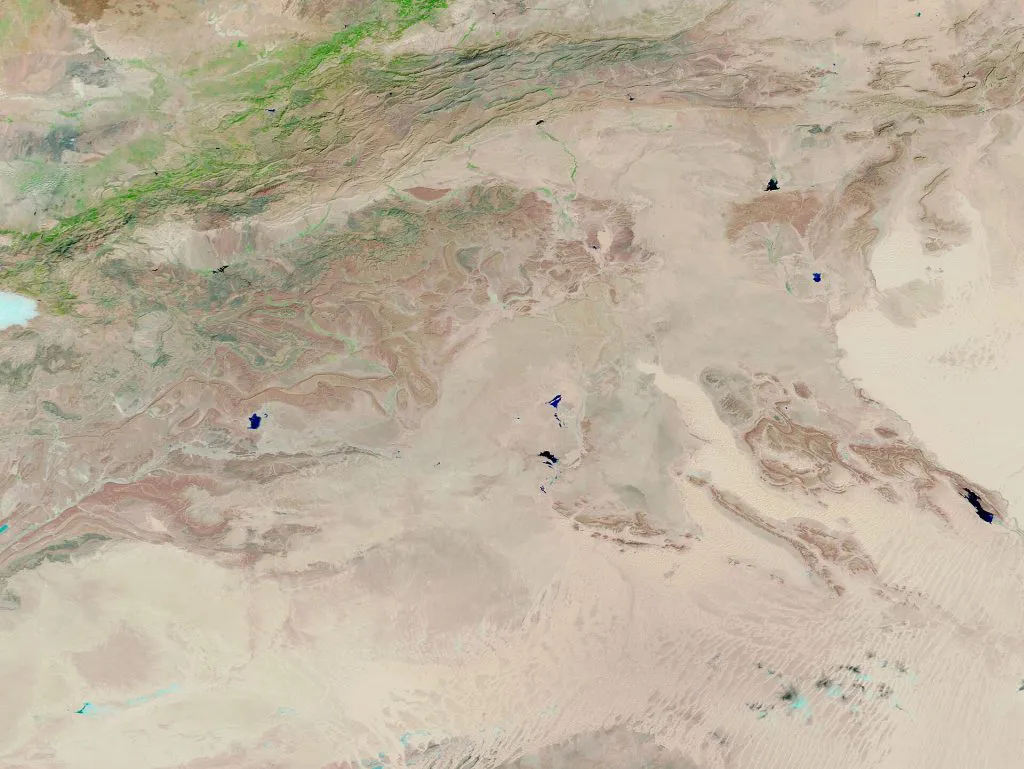
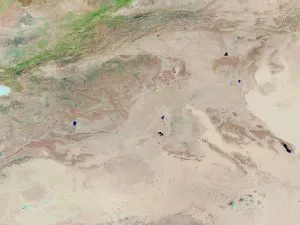
It is fitting that a site full of puzzles of places around the world should begin its story with a map. The very first jigsaw puzzles were not pictures of landscapes or kittens: they were maps, cut into pieces to help children learn geography.
A mapmaker’s idea
In the 1760s, a London engraver and mapmaker named John Spilsbury mounted printed maps on thin sheets of wood and cut them apart along the borders of the countries. Children could then put the world back together piece by piece, learning where each kingdom lay as they went. These early puzzles were called dissected maps, and they were sold as teaching tools for wealthy families.
The pieces did not lock together as they do today. Each one simply sat beside its neighbours, so a bump of the table could undo a whole continent. Still, the idea caught on, and other mapmakers and printers soon began to make their own.
From lessons to pastime
During the nineteenth century, puzzles slowly moved from the schoolroom to the living room. Makers began to cut up pictures as well as maps: historical scenes, Bible stories, ships and famous buildings. Each puzzle was still cut by hand from wood, which made them expensive, and they were often kept for years and passed down in families.
At the start of the twentieth century, puzzles became a craze among adults in Britain and the United States. Around this time the pieces began to interlock, so a finished puzzle could be picked up without falling apart. The name jigsaw puzzle also appeared then, taken from the thin-bladed saws used to cut the wood, although the pieces were more often cut with a fretsaw.
Cardboard and the Great Depression
The next big change came with cardboard. Instead of cutting each puzzle by hand, factories could press a sharp metal die onto a sheet of card and cut hundreds of pieces in one stroke. Puzzles became cheap enough for almost everyone.
This happened just in time for the Great Depression of the 1930s. With money short and many people out of work, a puzzle offered hours of entertainment for very little. Shops rented puzzles like library books, companies gave them away as advertisements, and weekly puzzles were sold at newsstands, with a new picture every few days.
Why we still love them
More than 250 years after Spilsbury cut his first map, jigsaw puzzles are still loved around the world. They are calm, they give the mind a gentle challenge and they end with a satisfying sense of achievement when the last piece clicks into place. Many people use them to relax after a busy day, and families and friends often solve them together.
Puzzles also make us look closely. To fit a piece of sky, you have to notice tiny changes in colour; to finish a building, you follow each window and roofline. It is a slow way of seeing a picture, and many puzzlers say they remember a place better after putting it together piece by piece.
Puzzles go online
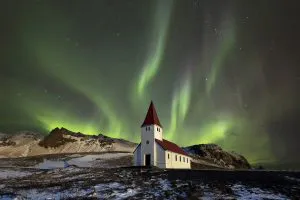
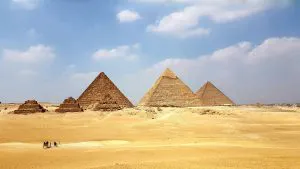
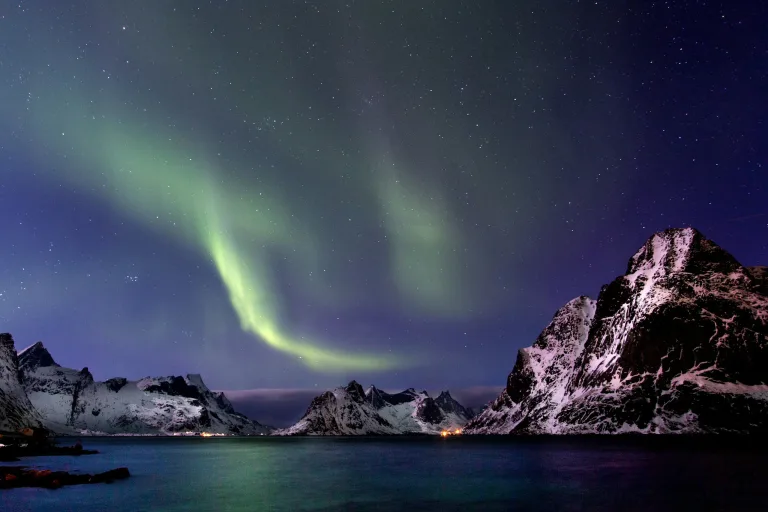
Today, a large part of puzzling happens on screens. Online puzzles need no table and no box, pieces never get lost under the sofa, and you can choose how many pieces to play, from a quick dozen to a few hundred. You can also travel: in a single evening you might assemble the pyramids of Egypt, a beach in Hawaii and the northern lights over Iceland.
In a way, jigsaw puzzles have come full circle. They began as a way to learn about the world, and on Jigsaw Earth every puzzle is a real place with a short story about it, so each one is still a small geography lesson.