 Jigsaw
Australia’s Most Unusual Animals, and Where to See Them
Kangaroos, koalas, quokkas, wombats, echidnas and a laughing bird: meet the remarkable animals that evolved on the island continent of Australia.
Australia has been an island for tens of millions of years. Cut off from the rest of the world, its animals followed their own path, and today most of its mammals, reptiles and frogs live nowhere else on Earth. Here are some of the most remarkable, all of which you can meet in our Australia puzzles.
Marsupials: babies in a pouch
Most of Australia’s native mammals are marsupials. Their babies are born tiny, often no bigger than a bean, and finish growing in a pouch on their mother’s belly, where they drink milk and stay safe for months.
Kangaroo
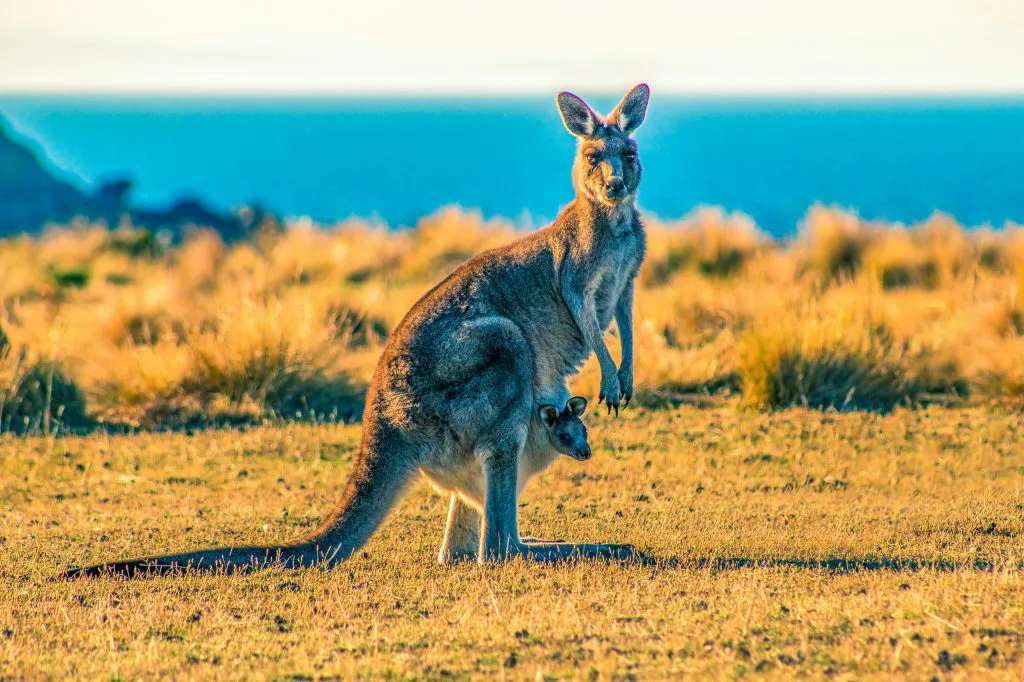
The kangaroo is Australia’s best-known animal and appears on its coat of arms. Large kangaroos can travel fast by hopping on their powerful back legs, using the tail for balance, and they can cover several metres in a single bound. A young kangaroo, called a joey, lives in the pouch for most of its first year and often peeks out to look at the world, like the joey in our puzzle from Maria Island in Tasmania.
Koala
Despite the nickname koala bear, the koala is not a bear at all. It feeds almost only on eucalyptus leaves, which are tough and give little energy, so it sleeps for up to twenty hours a day, wedged in the fork of a tree.
Wombat
Wombats are sturdy, short-legged diggers that live in long burrows. A mother wombat’s pouch opens backwards, so no soil gets in while she digs. Wombats are also famous for a strange fact: their droppings are shaped like little cubes, which they leave on rocks and logs to mark their territory.
Quokka
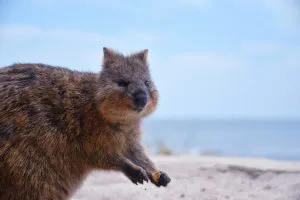
The quokka, a small relative of the kangaroo about the size of a cat, lives in the south-west of Western Australia. Most live on Rottnest Island near Perth, which a Dutch explorer named rat nest in 1696 after mistaking quokkas for giant rats. Their round faces and upturned mouths make them look as if they are always smiling.
Tasmanian devil
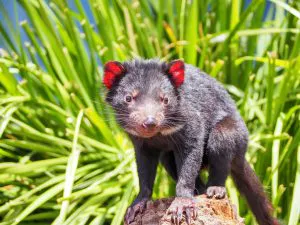
The Tasmanian devil is the largest meat-eating marsupial alive today. About the size of a small dog, it has powerful jaws and a fierce screech that earned it its name. It now lives in the wild only in Tasmania, where conservation programmes are working to protect it from a contagious disease.
The echidna: a mammal that lays eggs
The echidna belongs to a tiny group of mammals called monotremes, which lay eggs instead of giving birth to live young. Its only close relatives are the platypus and a few echidnas in New Guinea. Covered in sharp spines, the echidna uses its long, sticky tongue to lick up ants and termites. Its baby, called a puggle, hatches from a soft egg and grows in its mother’s pouch until its spines start to appear.
Birds with big personalities
Australia’s birds are just as memorable as its mammals, and many of them are loud and colourful.
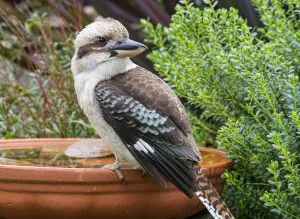
- Laughing kookaburra: its call sounds like a burst of human laughter, often heard at dawn and dusk. It is a giant kingfisher that eats insects, lizards and even snakes.
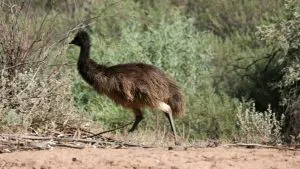
- Emu: Australia’s tallest bird cannot fly but can run at about fifty kilometres an hour. Unusually, it is the father who sits on the eggs and raises the chicks.
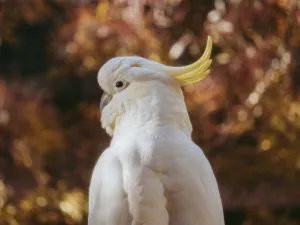
- Sulphur-crested cockatoo: a large white parrot that raises its yellow crest when excited. In some cities, these clever birds have learned to open rubbish bins.
- Galah: a pink and grey cockatoo seen across almost the whole country, often in noisy flocks.
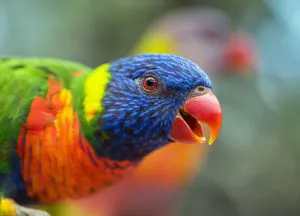
- Rainbow lorikeet: one of the most colourful birds in the world, with a brush-tipped tongue for drinking nectar from flowers.
Where to see them
Many of these animals can be seen in the wild. Kangaroos graze in national parks and even on the edges of towns, especially at dawn and dusk. Wilsons Promontory in Victoria is a good place to spot wombats, Rottnest Island is famous for its quokkas, and Maria Island off Tasmania is home to kangaroos, wombats and Cape Barren geese.
Koalas are harder to find in the wild because they sit high in the trees and blend in with the branches. Wildlife parks and sanctuaries, such as those around Cairns and in Victoria, give visitors a chance to see koalas, devils and lorikeets up close while supporting their care and protection.
Wherever you go, remember that these are wild animals: watch them from a distance, never feed them human food and drive slowly at dusk, when many of them are on the move.