 Jigsaw
The Natural Wonders of the World
The 7 natural wonders of the world: the Grand Canyon, the Great Barrier Reef, the harbour of Rio de Janeiro, Mount Everest, the northern lights, Parícutin and Victoria Falls, plus the New7Wonders of Nature, from the Amazon to Table Mountain.
Long before anyone made lists of the greatest buildings, travellers spoke of the places nature itself had made: canyons, waterfalls, reefs and mountains. Today two lists of natural wonders are the best known. Here are both of them, wonder by wonder, with puzzles of each.
In short: the Seven Natural Wonders of the World are the Grand Canyon in the USA, the Great Barrier Reef in Australia, the harbour of Rio de Janeiro in Brazil, Mount Everest, the northern lights, the Parícutin volcano in Mexico and Victoria Falls in Zambia and Zimbabwe. The New7Wonders of Nature, chosen in a worldwide vote in 2011, are the Amazon rainforest, Ha Long Bay in Vietnam, Iguazu Falls in Argentina and Brazil, Jeju Island in South Korea, Komodo National Park in Indonesia, the Puerto Princesa Underground River in the Philippines and Table Mountain in South Africa.
The Seven Natural Wonders of the World
The classic list of seven natural wonders was made popular by the American news channel CNN in 1997, and it is still the one most people mean when they speak of “the seven natural wonders”. It mixes the very old with the very young: rocks almost two billion years old in the Grand Canyon, and a volcano that was born in 1943.
The Grand Canyon, USA
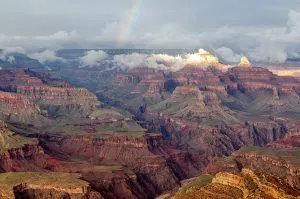
In northern Arizona the Colorado River has cut a canyon about 446 kilometres long and up to 1.8 kilometres deep. Its walls are a layered record of Earth’s history, from the young limestone at the rim to some of the oldest rocks in North America at the bottom. It has been a national park since 1919.
The Great Barrier Reef, Australia
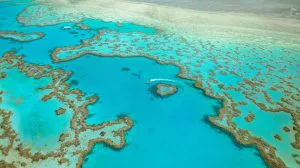
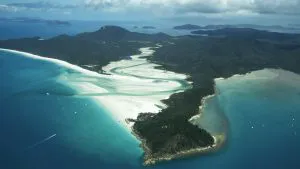
The largest coral reef system on Earth stretches for about 2,300 kilometres along the coast of Queensland, with some 2,900 separate reefs and hundreds of islands. It is home to thousands of kinds of fish, corals, turtles and whales, and has been a World Heritage Site since 1981.
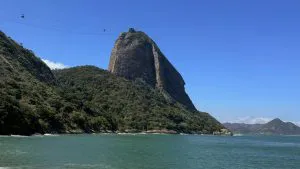
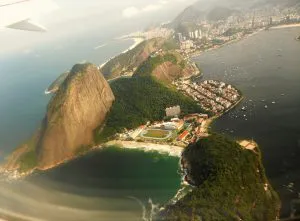
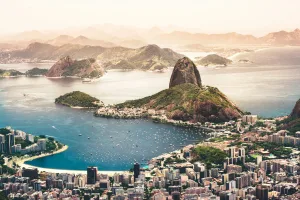
The harbour of Rio de Janeiro, Brazil
Guanabara Bay is one of the largest natural harbours in the world, ringed by granite peaks that rise straight from the water. Portuguese sailors arrived here in January 1502 and, thinking the bay was the mouth of a river, named it Rio de Janeiro, the “River of January”. Sugarloaf Mountain guards its entrance.
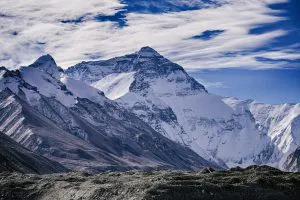
Mount Everest, Nepal and China
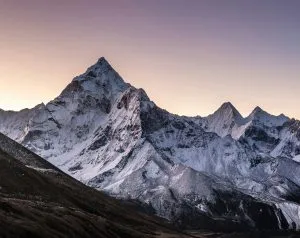
At 8,849 metres, Everest is the highest mountain on Earth, on the border between Nepal and Tibet. Its local names are Sagarmatha in Nepali and Chomolungma in Tibetan. Edmund Hillary and Tenzing Norgay were the first to stand on its summit, on 29 May 1953.
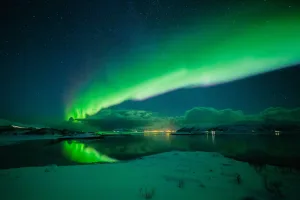
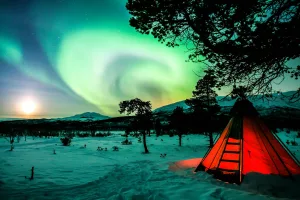
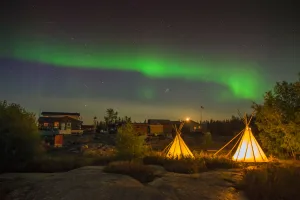
The northern lights
The aurora borealis appears when particles from the Sun strike the upper atmosphere and make it glow green, pink or violet. It is seen most often in a ring around the North Pole, over northern Norway, Sweden, Finland, Iceland, Canada and Alaska, on dark, clear nights from September to March. Read more in our guide on where and when to see the northern lights.
Parícutin, Mexico
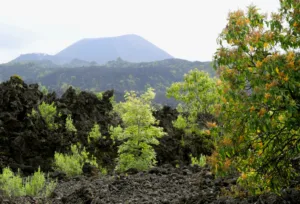
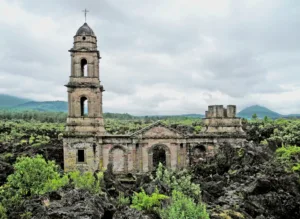
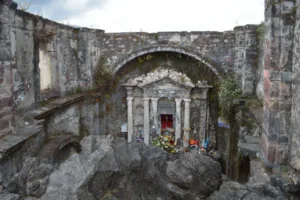
On 20 February 1943 a volcano was born in a cornfield in Michoacán, in front of the farmer who owned it. Parícutin grew to more than 300 metres in its first year and erupted until 1952, burying two villages under its lava; the church tower of San Juan Parangaricutiro still rises above the black rock. It was the first volcano that scientists could watch from birth to end.
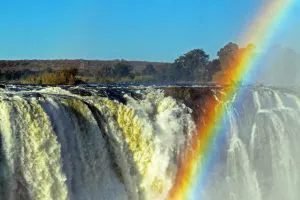
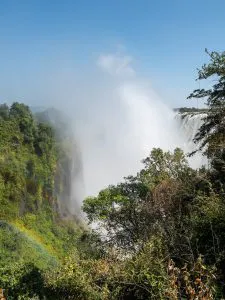
Victoria Falls, Zambia and Zimbabwe
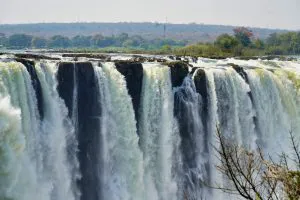
On the Zambezi River, Victoria Falls drops about 108 metres over a front nearly 1.7 kilometres wide, the largest single sheet of falling water in the world. Its spray can be seen from many kilometres away, which is why it is called Mosi-oa-Tunya, “the smoke that thunders”.
The New7Wonders of Nature
After its vote for the New Seven Wonders of the World, the New7Wonders Foundation organised a second campaign for natural sites. From hundreds of nominations, people around the world voted online and by phone, and the winners were announced on 11 November 2011.
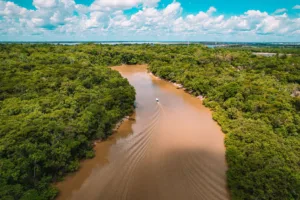
The Amazon rainforest
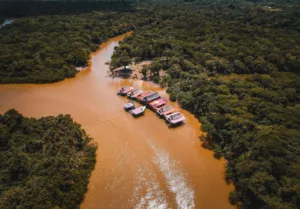
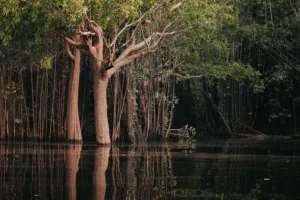
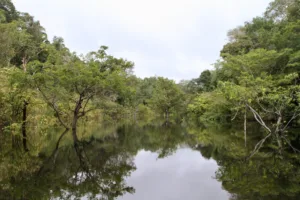
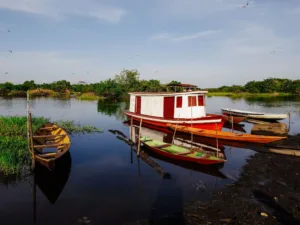
The largest rainforest on Earth covers about 5.5 million square kilometres in nine countries, more than half of it in Brazil. Through it flows the Amazon, which carries more water than any other river, about a fifth of all the fresh water that rivers pour into the oceans. In the rainy season the rivers rise by around ten metres and flood the forest.
Ha Long Bay, Vietnam
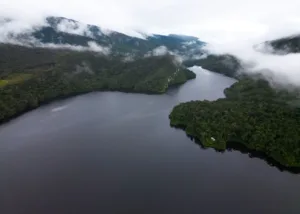
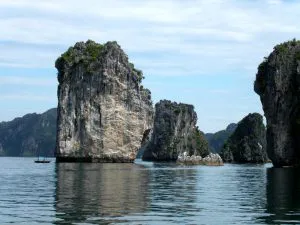
In the Gulf of Tonkin, about 1,600 limestone islands and islets rise from the emerald water of Ha Long Bay, many of them hiding caves. Its name means “where the dragon descends”, from a legend of dragons who spat out jewels that became the islands. It has been a World Heritage Site since 1994.
Iguazu Falls, Argentina and Brazil
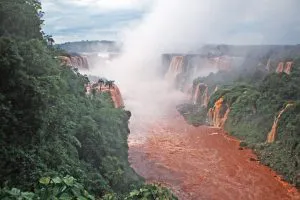
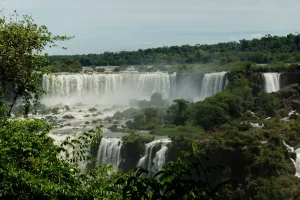
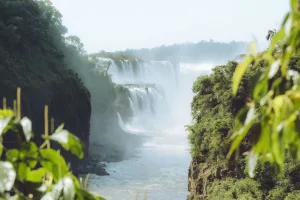
On the border between Argentina and Brazil, the Iguazu River drops over a cliff in about 275 separate falls along nearly three kilometres. The greatest of them, the Devil’s Throat, is a horseshoe of thundering water. Walkways on both sides lead right up to the falls through the subtropical rainforest.
Jeju Island, South Korea
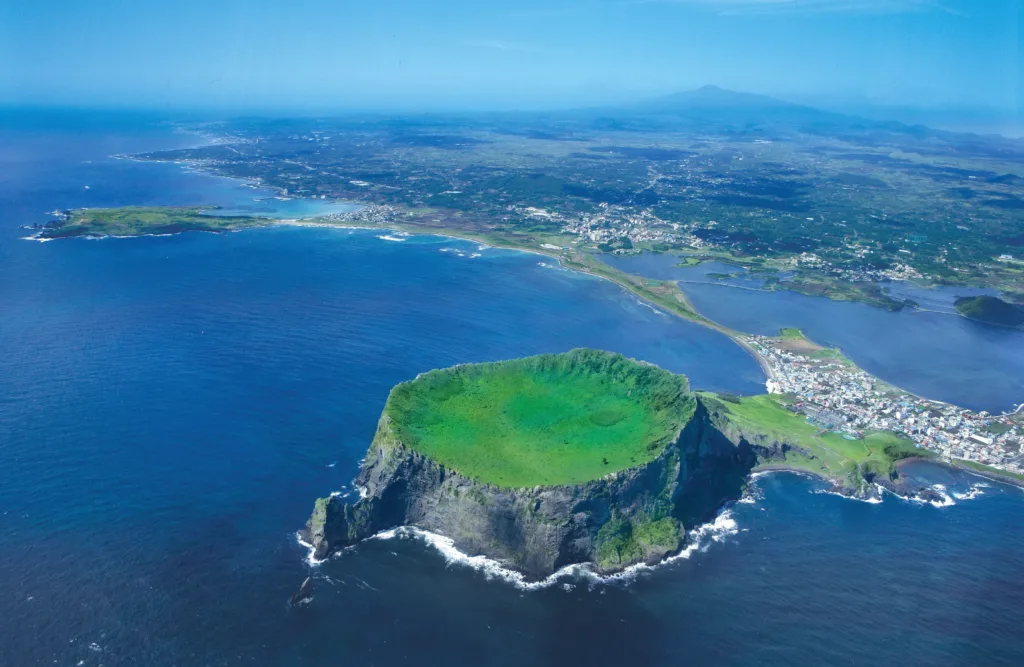
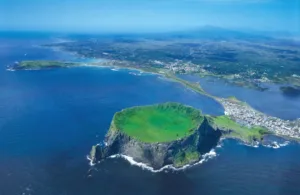
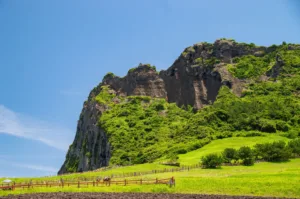
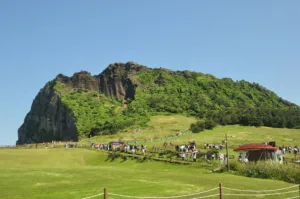
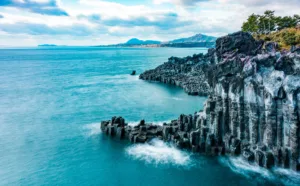
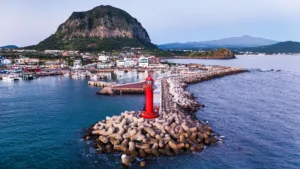
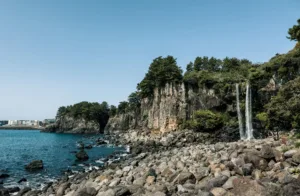
Jeju was built by volcanoes. At its centre stands Hallasan, at 1,947 metres the highest mountain in South Korea, and around its coast are the tuff cone of Seongsan Ilchulbong, cliffs of basalt columns and waterfalls that fall straight into the sea. Its volcanoes and lava tubes are a World Heritage Site.
Komodo National Park, Indonesia
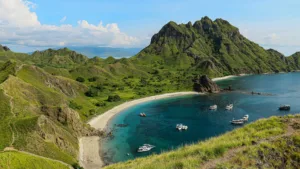
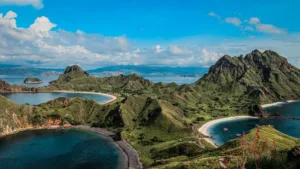
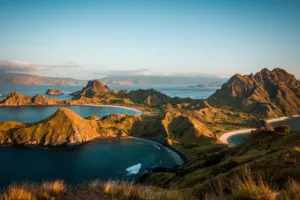
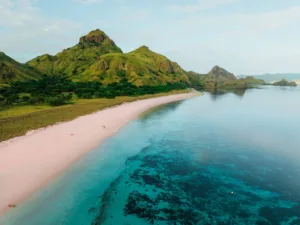
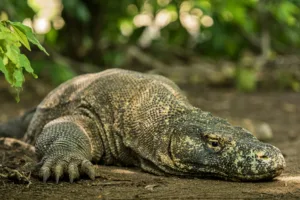
Between the islands of Sumbawa and Flores, Komodo National Park protects the Komodo dragon, the largest lizard on Earth, along with coral reefs and rugged islands. The view of the three bays of Padar Island is one of the most famous in Indonesia, and the park has rare pink beaches coloured by fragments of red coral.
The Puerto Princesa Underground River, Philippines
On the island of Palawan, a river flows for more than eight kilometres through a cave under limestone mountains and comes out straight into the sea. Visitors enter in paddle boats to see its huge chambers and stalactites. The lower river rises and falls with the tide.
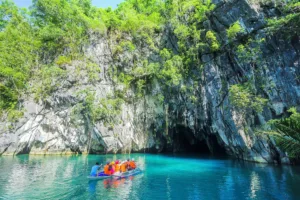
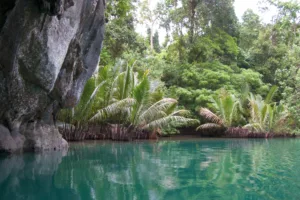
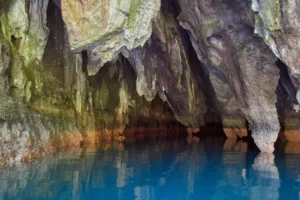
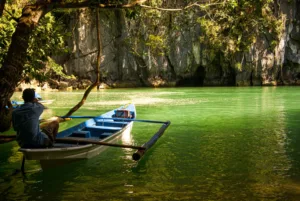
Table Mountain, South Africa
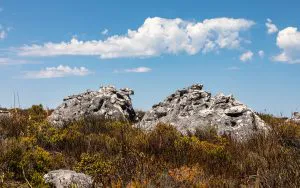
Table Mountain rises more than a thousand metres above Cape Town, with a flat top about three kilometres long. When the wind blows from the south-east, a white cloud called the “tablecloth” pours over its edge. Its slopes are covered with fynbos, part of the smallest and richest of the world’s six floral kingdoms.
Questions people often ask
What are the 7 natural wonders of the world?
The best-known list names the Grand Canyon, the Great Barrier Reef, the harbour of Rio de Janeiro, Mount Everest, the northern lights, the Parícutin volcano and Victoria Falls. A second list, the New7Wonders of Nature, chosen by public vote in 2011, names the Amazon, Ha Long Bay, Iguazu Falls, Jeju Island, Komodo National Park, the Puerto Princesa Underground River and Table Mountain.
Is there an official list of natural wonders?
No. There is no single official list: the classic seven was made popular by CNN in 1997, and the New7Wonders of Nature came from a campaign by a private foundation. Many natural wonders on both lists are also UNESCO World Heritage Sites, which is the closest thing to official recognition.
Which natural wonder is the youngest?
Parícutin in Mexico, which did not exist before 1943. It is the only wonder on either list whose whole life has been watched and recorded by people, from the first crack in the ground to the end of its eruption in 1952.
Which natural wonders can you see in one trip?
Some lie close together: Iguazu Falls and the harbour of Rio de Janeiro are both in Brazil and an easy flight apart, and the Amazon is reached from Manaus. In Asia, Komodo, Puerto Princesa and Ha Long Bay can be combined in one long journey through Indonesia, the Philippines and Vietnam.
What is the difference between the natural wonders and the Seven Wonders of the World?
The Seven Wonders of the World are buildings and monuments made by people, from the pyramids of Giza to the Taj Mahal. The natural wonders are landscapes made by nature. Read about the old and new Seven Wonders in our guide to the Seven Wonders of the World.
See the natural wonders in puzzles
From the crater of Seongsan Ilchulbong to the pink sand of Padar, every wonder in this guide can be put together piece by piece. Start with the one you most want to visit, or travel through all of them.