 Jigsaw
The Most Beautiful National Parks in the USA
Granite valleys, red rock canyons, glacier lakes, rain forests and volcanoes: a tour of sixteen American national parks, what makes each one special and when to go.
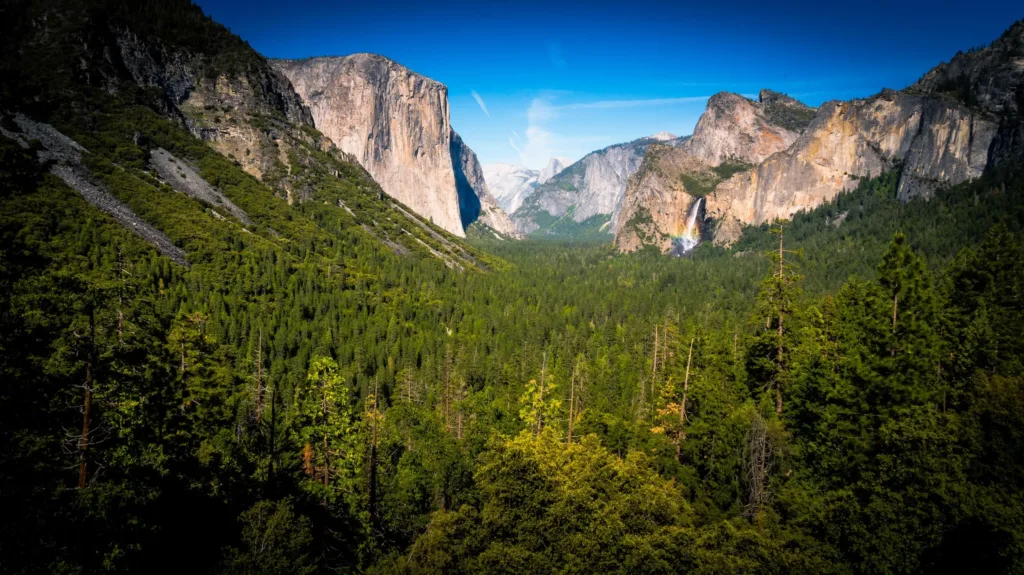
The United States invented the national park. In 1872 Congress set aside Yellowstone “for the benefit and enjoyment of the people”, and the idea has since spread to almost every country in the world. Today the country has more than 60 national parks, from the deserts of Utah to the rain forests of Washington and the volcanoes of Hawaii. Here are sixteen of the most beautiful, what makes each of them special, and puzzles from every one.
A short history of America’s national parks
Yosemite was the first wild landscape protected by the US government, when Abraham Lincoln signed the Yosemite Grant in 1864, but it was handed to the state of California. Yellowstone, eight years later, became the first true national park. For decades each park was looked after separately, often by the army, until the National Park Service was founded in 1916 to care for them all. Writers and naturalists such as John Muir helped convince the public that these places should belong to everyone.
The parks, from the Rockies to the coasts
Yellowstone, Wyoming
The world’s first national park sits on top of a huge volcanic hot spot. It holds about half of all the geysers on Earth, including Old Faithful, along with boiling springs, mud pots and the brightly coloured Grand Prismatic Spring. Bison, elk, wolves and grizzly bears roam its high plateaus.
Yosemite, California
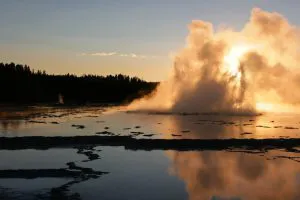
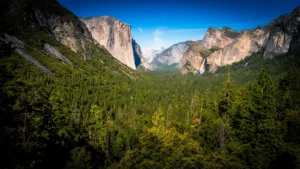
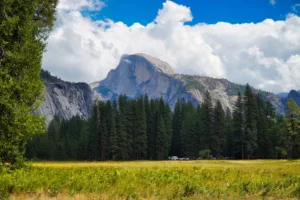
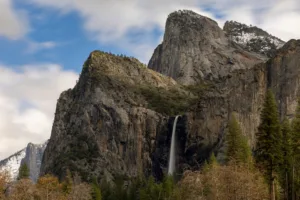
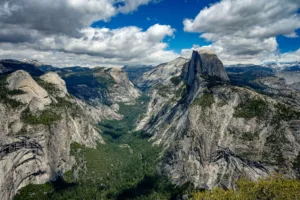
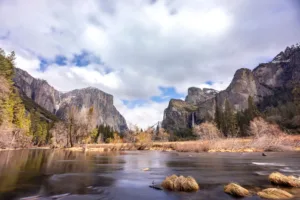
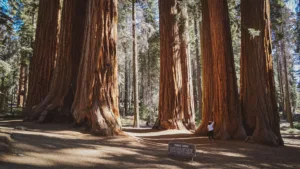
Yosemite Valley is one of the most famous views in America: sheer granite walls carved by rivers and glaciers, with El Capitan, Half Dome and waterfalls that pour over the rim in spring. The classic first view is from Tunnel View, at the end of the road tunnel into the valley. In the south of the park, Mariposa Grove holds about 500 giant sequoias.
Grand Canyon, Arizona
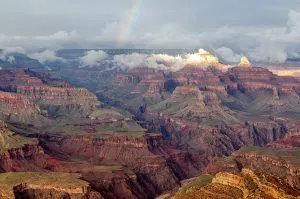
The Colorado River has cut the Grand Canyon about 1.8 kilometres deep into the layers of the Colorado Plateau. The rocks at the bottom are almost two billion years old, so a walk down into the canyon is also a walk back through the history of the Earth. Most visitors see it from the South Rim, which is open all year.
Zion, Utah
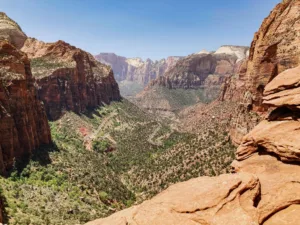
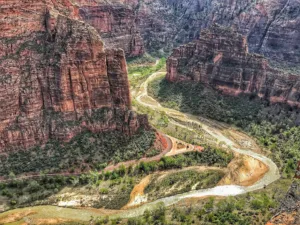
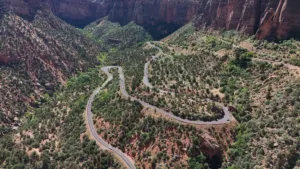
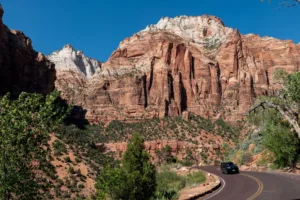
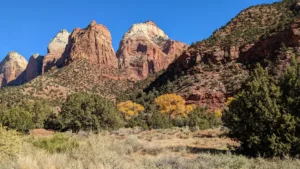
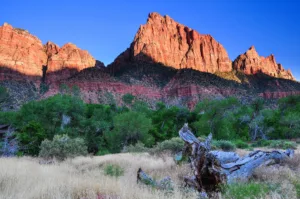
Utah’s first national park is a deep canyon of red and cream sandstone cut by the Virgin River. Hikers climb to Angels Landing or wade upstream through the Narrows, where the walls are only a few metres apart. To the east, the Zion–Mount Carmel Highway climbs out of the canyon in tight switchbacks and a long tunnel.
Bryce Canyon, Arches and Petrified Forest
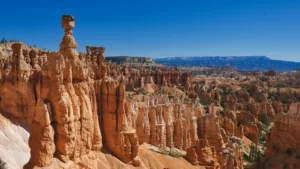
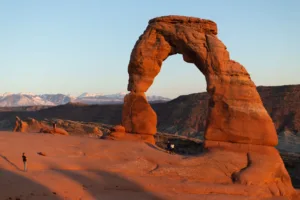
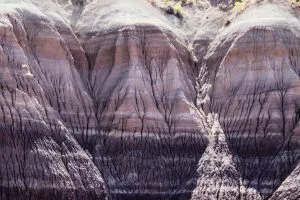
The red rock country of the Southwest has many more wonders. Bryce Canyon is a row of natural amphitheatres filled with thousands of hoodoos, thin spires of orange and pink stone. Arches National Park, near Moab, has more than 2,000 natural arches, and Delicate Arch is the symbol of Utah. In Arizona, Petrified Forest protects fallen trees turned to stone more than 200 million years ago and the striped hills of the Painted Desert.
Grand Teton, Wyoming
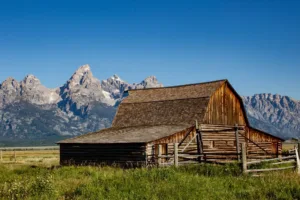
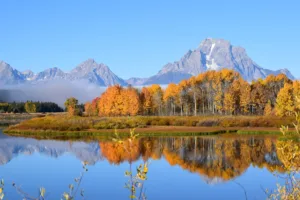
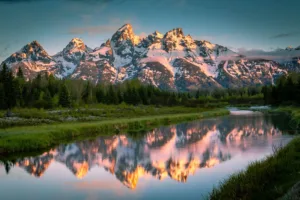
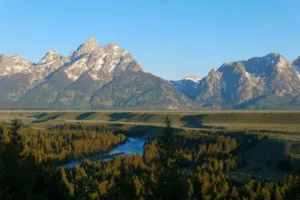
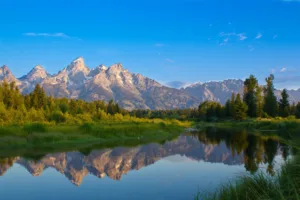
Just south of Yellowstone, the Teton Range rises straight out of the valley of Jackson Hole with no foothills in front of it. Its peaks are reflected in lakes and in the quiet channels of the Snake River, and the old barns of Mormon Row are among the most photographed buildings in the West. Late September brings golden aspens and the calls of elk.
Glacier, Montana
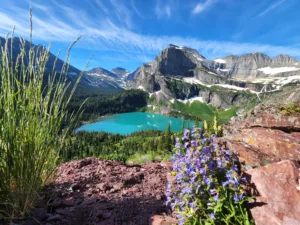
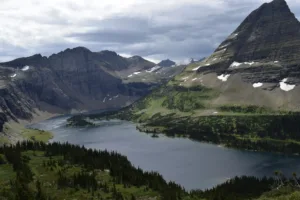
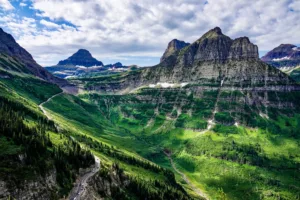
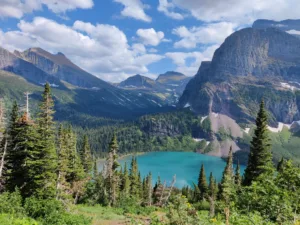
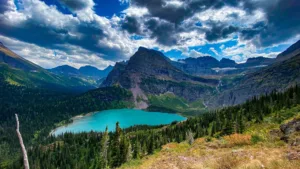
On the Canadian border, Glacier National Park protects more than 700 lakes, many of them coloured turquoise by fine rock flour from the ice. The Going-to-the-Sun Road crosses the park and the Continental Divide at Logan Pass. The glaciers that gave the park its name are shrinking fast: about 150 were counted in 1850, and only a few dozen remain.
Rocky Mountain, Colorado
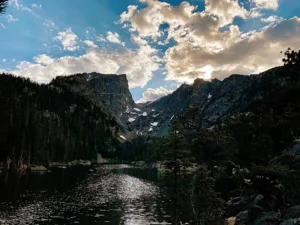
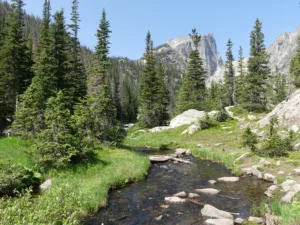
Rocky Mountain National Park straddles the Continental Divide, and Trail Ridge Road climbs through it to about 3,700 metres, above the tree line. Short trails from Bear Lake lead to a chain of alpine lakes below Hallett Peak, and herds of elk graze in the meadows, especially in autumn.
Olympic, Washington
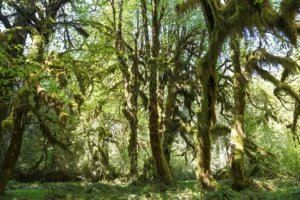
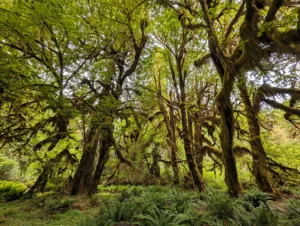
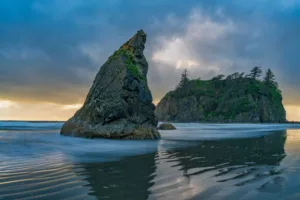
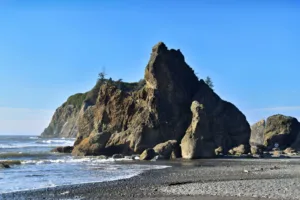
Olympic National Park is like three parks in one: glacier-capped mountains, the moss-draped Hoh Rain Forest, which receives several metres of rain a year, and more than 100 kilometres of wild Pacific coast with sea stacks and driftwood beaches such as Ruby Beach.
Sequoia, California
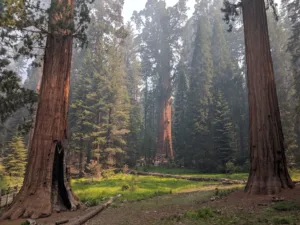
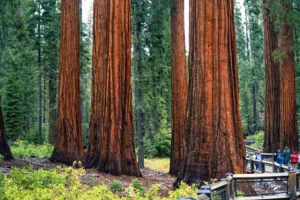
Created in 1890, Sequoia National Park protects the Giant Forest and the General Sherman Tree, the largest single-stem tree on Earth by volume. Giant sequoias grow naturally only on the western slopes of the Sierra Nevada, and some of them are more than 3,000 years old.
Great Smoky Mountains, Tennessee and North Carolina
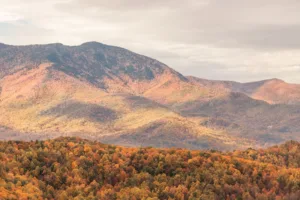
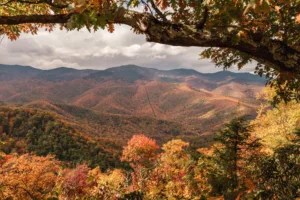
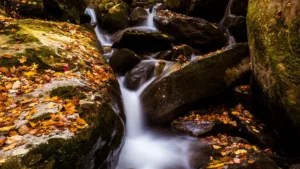
The most visited national park in the country covers some of the oldest mountains on Earth, wrapped in the blue haze that gave them their name. With more than 100 kinds of native trees, its slopes turn red, orange and gold for weeks every autumn, and its streams tumble over countless waterfalls.
Acadia, Maine
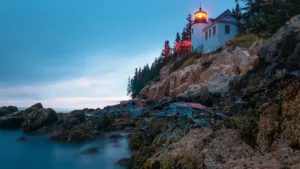
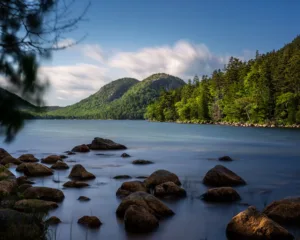
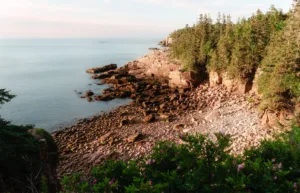
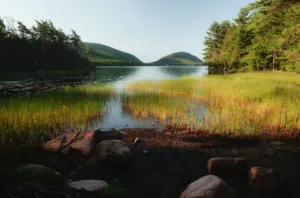
Acadia, on Mount Desert Island, was the first national park east of the Mississippi. Pink granite cliffs meet the Atlantic, carriage roads wind between clear lakes such as Jordan Pond and Eagle Lake, and Bass Harbor Head Lighthouse stands above the rocks on the island’s south-western tip.
Denali, Hawaiʻi Volcanoes and Haleakalā
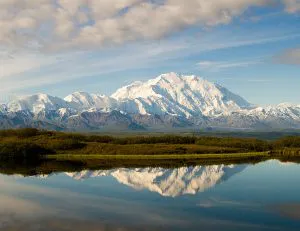
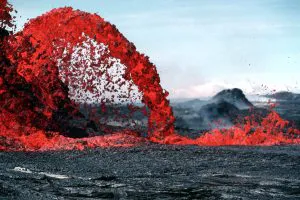
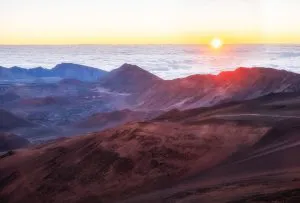
Two states have parks unlike any others. In Alaska, Denali, at 6,190 metres the highest peak in North America, rises above six million acres of tundra and taiga. In Hawaii, Kīlauea, one of the most active volcanoes on Earth, erupts again and again in Hawaiʻi Volcanoes National Park, while on Maui visitors gather before dawn to watch the sun rise over the vast crater of Haleakalā.
Tips for visiting
- Plan for the season. High mountain roads such as Going-to-the-Sun Road and Trail Ridge Road are usually fully open only from early summer to autumn, while the desert parks of Utah and Arizona are most comfortable in spring and autumn.
- Check the park’s official website before you go: some of the busiest parks ask for timed-entry reservations in peak months.
- Arrive early. Popular viewpoints and trailheads fill up by mid-morning in summer, and the light is best at the start and end of the day.
- Keep your distance from wildlife: the National Park Service asks visitors to stay at least 100 yards (about 90 metres) from bears and wolves and 25 yards (about 23 metres) from other large animals.
- Stay on the trails and take your rubbish home, so these places stay as wild for the next visitors.
Visit the parks in puzzles
From Yosemite’s granite walls to the sea stacks of the Olympic coast, every park in this guide is waiting to be put together piece by piece. You will find them, together with Hawaii, Route 66 and America’s great cities, on our USA puzzles page.