 Jigsaw
Italy’s Most Beautiful Cities: Rome, Florence, Venice, Milan and Palermo
A tour of five great Italian cities, from the Colosseum and Brunelleschi's dome to the canals of Venice and the golden mosaics of Palermo.
Italy has more UNESCO World Heritage Sites than almost any other country, and many of its treasures are found in its cities. Each one has its own character: ancient Rome, Renaissance Florence, Venice on the water, busy Milan and sunny Palermo. Here is a short tour of all five, with puzzles of their most famous sights.
Rome
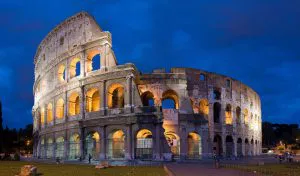
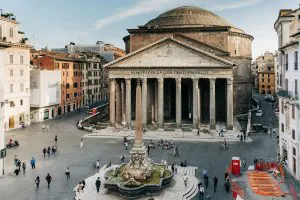
For more than two thousand years Rome has been a capital: of an empire, of the Catholic world and, since 1871, of Italy. Ancient ruins stand side by side with churches, palaces and busy streets. The Colosseum, opened in AD 80, could hold around 50,000 spectators. The Pantheon, built around the year 125 under the emperor Hadrian, still has the largest unreinforced concrete dome in the world, open to the sky through a round hole at the top.
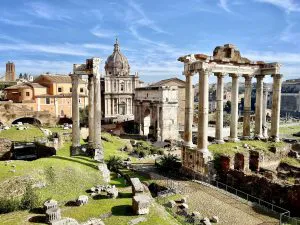
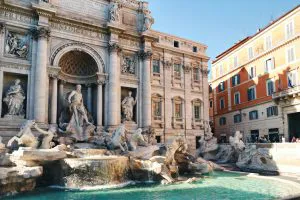
Nearby, the Roman Forum was the heart of public life in the ancient city, with its temples, law courts and triumphal arches. The Trevi Fountain, finished in 1762, is where visitors throw a coin over their shoulder in the hope of coming back one day.
Florence
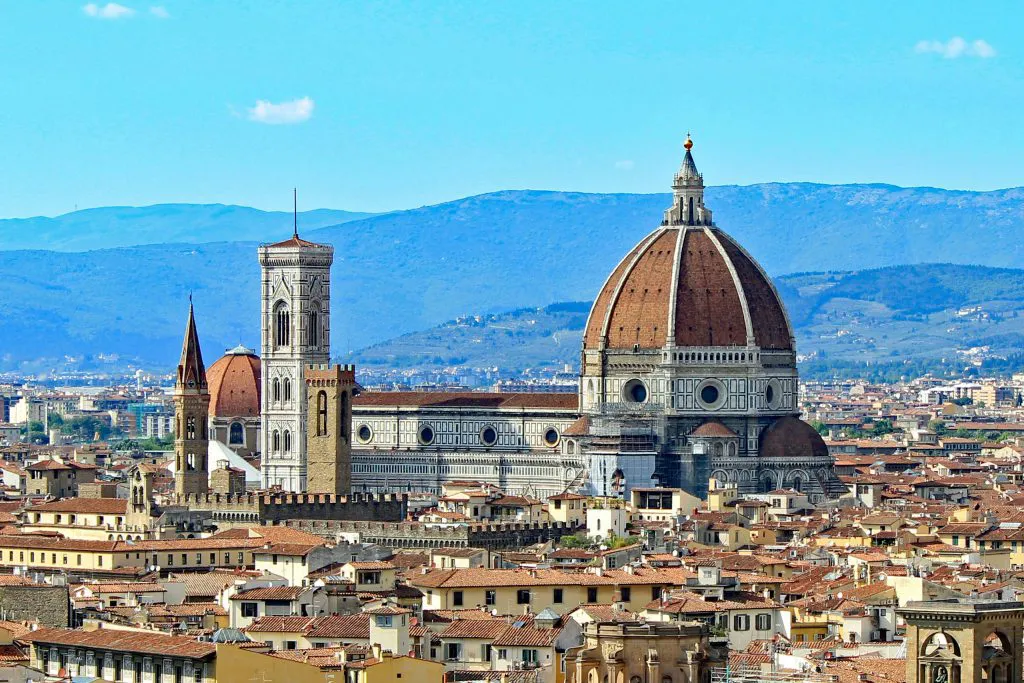
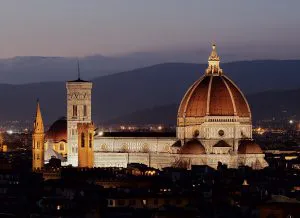
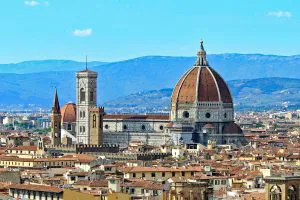
Florence was the cradle of the Renaissance, home to artists such as Leonardo, Michelangelo and Botticelli. The great brick dome of its cathedral, designed by Filippo Brunelleschi and completed in 1436, was the largest dome in the world when it was built and still rules the skyline. The best view of it is from Piazzale Michelangelo, on the hills south of the River Arno.
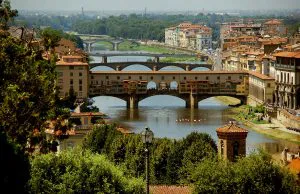
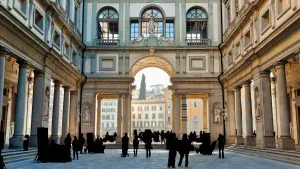
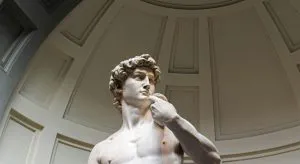
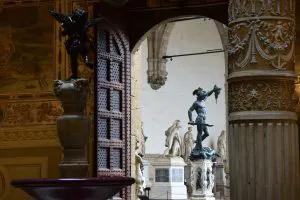
The Ponte Vecchio, the Old Bridge, has crossed the Arno since 1345, lined with little shops that hang out over the water; since 1593 they have belonged to goldsmiths and jewellers. Nearby are the Uffizi Gallery, one of the world’s great art museums, Michelangelo’s David, carved from a single block of marble between 1501 and 1504, and Cellini’s bronze Perseus in the Loggia dei Lanzi.
Venice
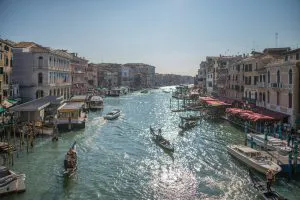
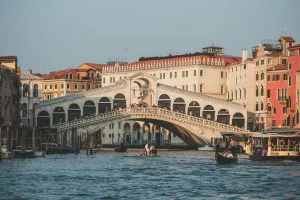
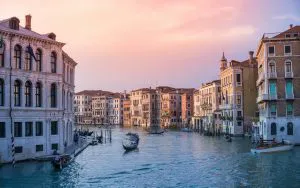
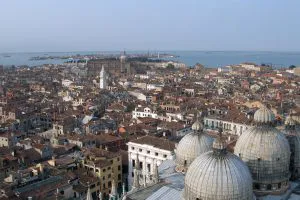
Venice is built on more than a hundred small islands in a lagoon, with canals in place of streets and boats in place of cars. The Grand Canal winds through the city for nearly four kilometres in the shape of a backward S, lined with palaces built by rich merchant families. For centuries the only way to cross it on foot was the Rialto Bridge, rebuilt in stone and finished in 1591.
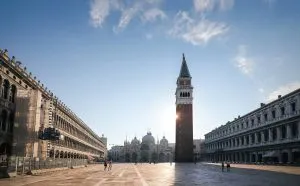
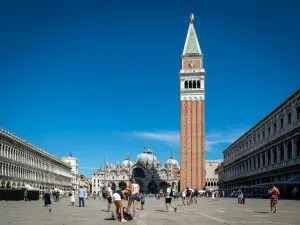
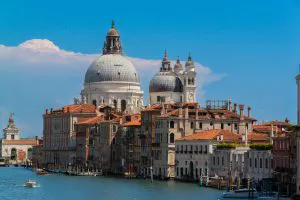
St Mark’s Square is the city’s great public space, at the foot of St Mark’s Basilica and its tall brick bell tower. At the entrance to the Grand Canal stands Santa Maria della Salute, a domed church built as a thank-you after a terrible plague in 1630.
Milan
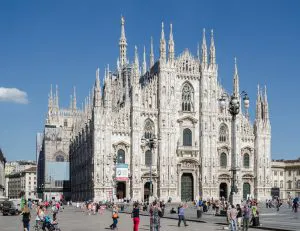
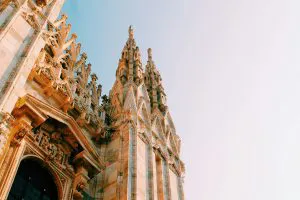
Italy’s capital of business and fashion is also home to one of its grandest churches. Milan Cathedral took almost six centuries to finish, from 1386 to the 1960s, and its roof bristles with 135 spires and thousands of marble statues. Visitors can walk among them on the roof terraces.
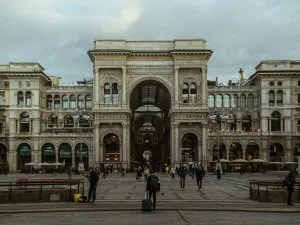
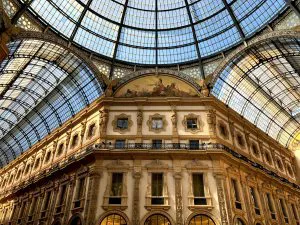
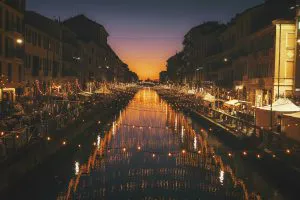
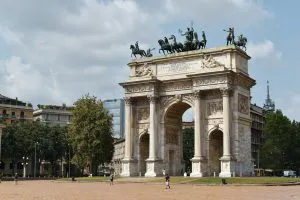
Next door, the Galleria Vittorio Emanuele II, opened in 1867, is one of the oldest shopping arcades in the world, with two glass-roofed streets crossing beneath a great glass dome. In the evening, people gather along the Naviglio Grande, a canal dug from the 12th century that once carried marble for the cathedral. The Arco della Pace, a triumphal arch begun in Napoleon’s time, closes the far end of Parco Sempione, the park behind the Sforza Castle.
Palermo
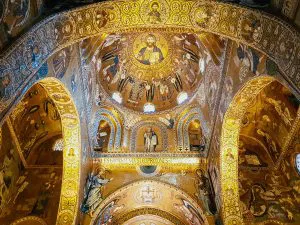
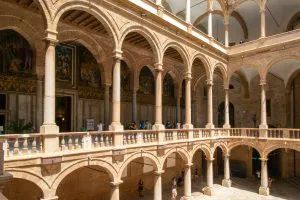
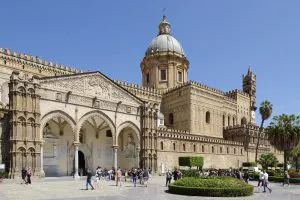
The capital of Sicily shows a different side of Italy. Over the centuries Palermo was ruled by Phoenicians, Romans, Byzantines, Arabs and Normans, and each left its mark. The Palatine Chapel, consecrated in 1140 inside the Royal Palace, combines golden Byzantine mosaics with a wooden ceiling painted in an Islamic style. Together with the cathedral and other Arab-Norman buildings, it is a UNESCO World Heritage Site.
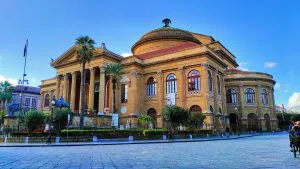
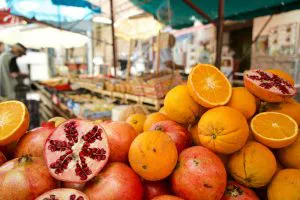
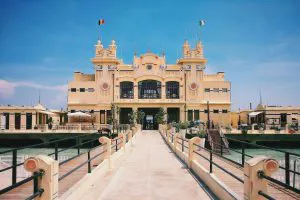
The Teatro Massimo is the largest opera house in Italy, and the city’s open-air markets are famous for their noise, colour and street food. When the summer heat rises, people head for the sandy beach at Mondello, just north of the city.
Beyond the cities
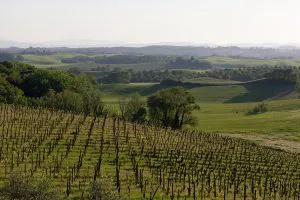
Between the cities lies the countryside that painters have loved for centuries. In Tuscany, rows of vines and cypress trees roll towards the medieval towers of Siena on the horizon. You can find every one of our Italian puzzles, cities and countryside alike, on the Italy page.