 Jigsaw
The Most Beautiful Places in France
The best places to visit in France, in Paris and beyond: Versailles, Mont-Saint-Michel, the castles of the Loire, the lavender of Provence, Alsace, the Alps, the Riviera and Corsica: the most beautiful places in France, region by region, and the best time to visit.
France is the most visited country in the world, and it is easy to see why. Within a day’s journey you can go from royal palaces and Gothic cathedrals to lavender fields, snowy peaks, chalk cliffs and turquoise Mediterranean bays. Here are the most beautiful places in France, region by region, with puzzles from every one of them.
The best places to visit in France are Paris and Versailles, Mont-Saint-Michel, the castles of the Loire Valley, Provence, the French Riviera, Alsace, the Alps around Annecy and Chamonix, and the south-west, from Carcassonne to the Dordogne. Besides Paris, the most popular are Mont-Saint-Michel, Provence and the Riviera. May, June and September are the best months for most of the country.
Paris
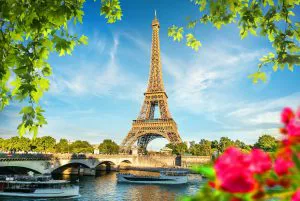
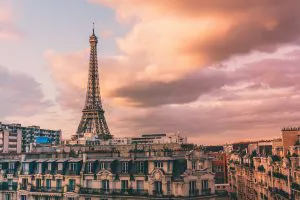
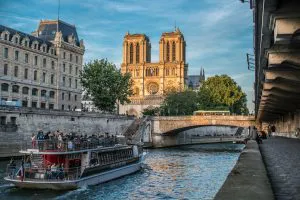
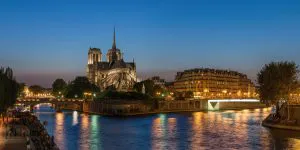
Paris needs no introduction. The Eiffel Tower, built for the World’s Fair of 1889, was meant to stand for only twenty years and is now the symbol of France. Notre-Dame Cathedral reopened in December 2024 after the fire of 2019, and the Arc de Triomphe crowns the Champs-Élysées.

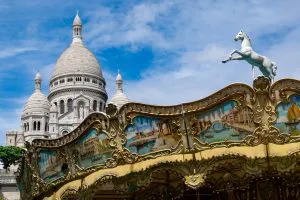
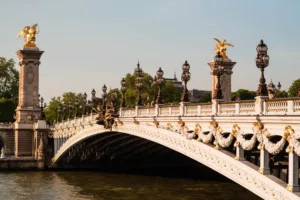
Montmartre and the Pont Alexandre III
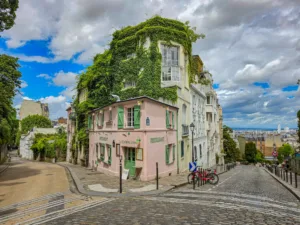
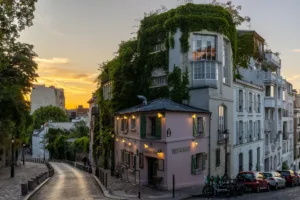
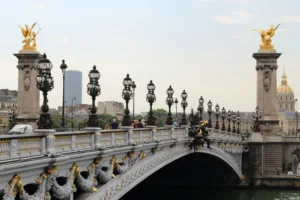
On the hill of Montmartre, once a village of windmills and painters, cobbled lanes lead to the pink Maison Rose and the white domes of Sacré-Cœur. Down by the Seine, the golden Pont Alexandre III, built for the World’s Fair of 1900, is often called the most beautiful bridge in Paris.
Versailles
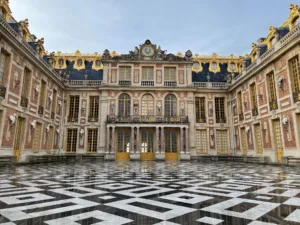
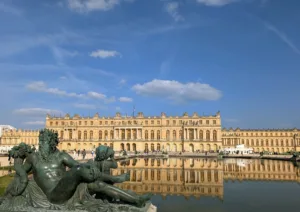
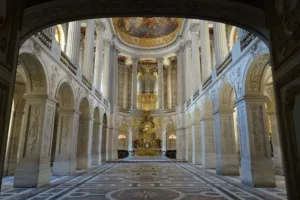
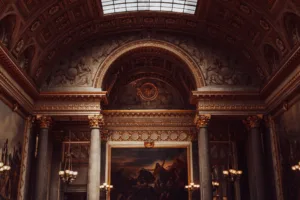
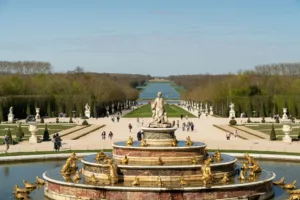
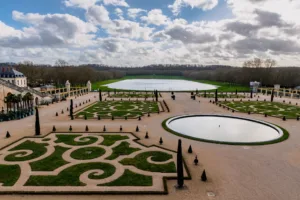
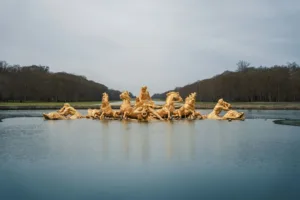
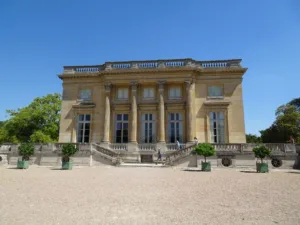
Twenty kilometres west of Paris, the Palace of Versailles grew from a hunting lodge into the home of Louis XIV and the French court from 1682 to the Revolution. Visit the Marble Court, the Royal Chapel and the state rooms, then walk down through the gardens of André Le Nôtre to the Latona and Apollo fountains, the Grand Canal and the Petit Trianon of Marie Antoinette.
The castles of the Loire Valley
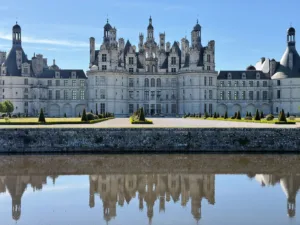
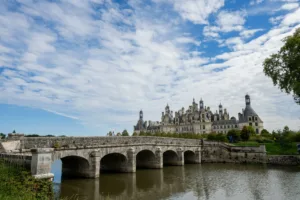
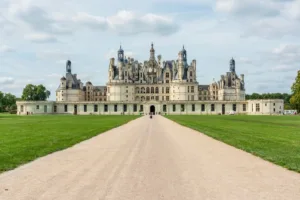
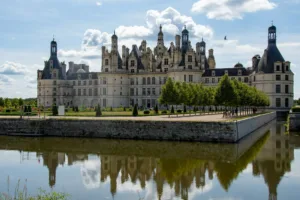
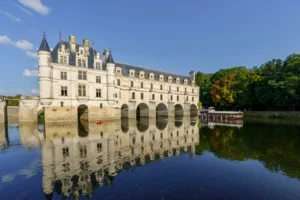
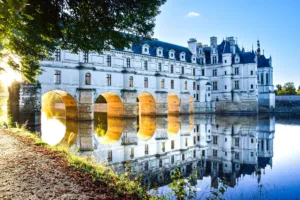
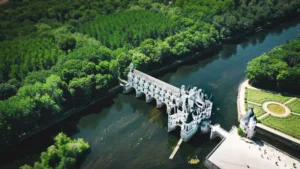
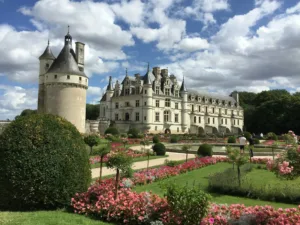
The Loire Valley, two hours south-west of Paris, is lined with hundreds of châteaux built by kings and nobles in the Renaissance. The two most famous are Chambord, the huge hunting palace of Francis I with its roof of towers and chimneys, and Chenonceau, the Ladies’ Château, which crosses the river Cher on a row of arches.
Normandy and Brittany
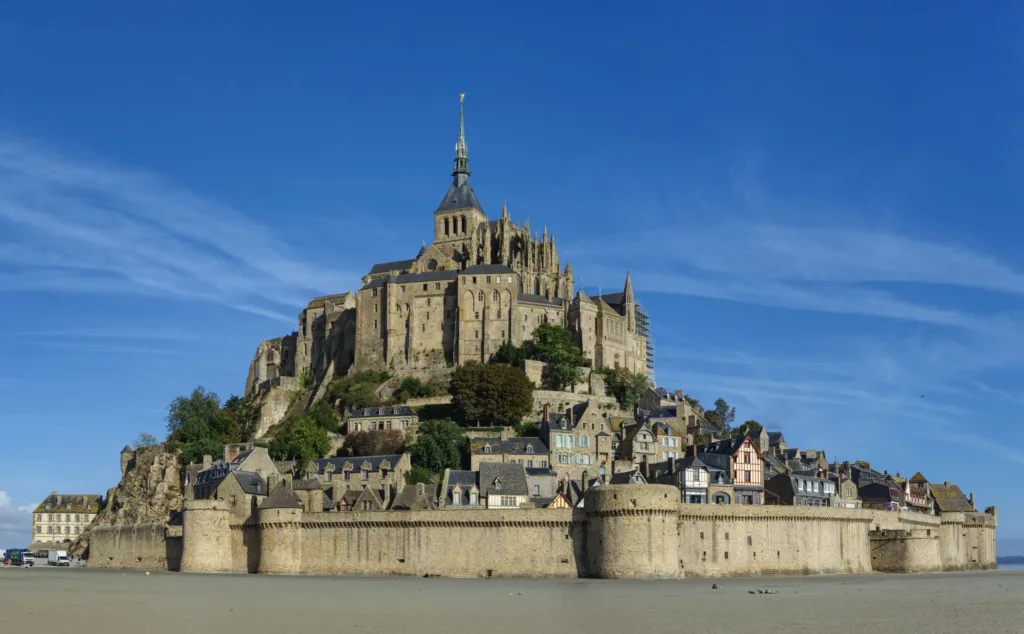
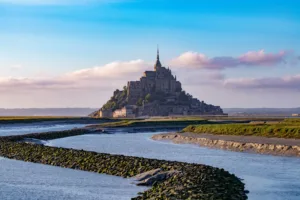
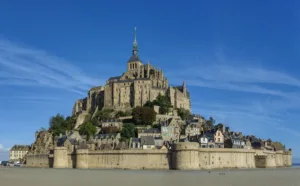
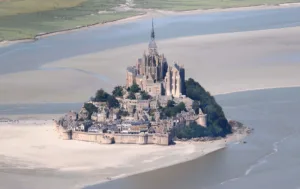
Mont-Saint-Michel, a rocky island crowned by an abbey, rises from a bay with some of the strongest tides in Europe. At low tide the sea retreats for kilometres; at the highest tides the Mont becomes an island again. Come early in the morning or stay into the evening, when the day visitors have gone.
Étretat, Honfleur and Saint-Malo
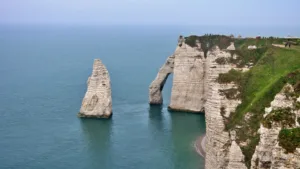
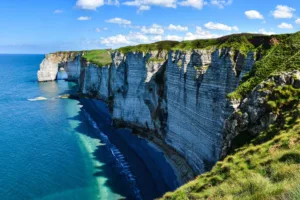
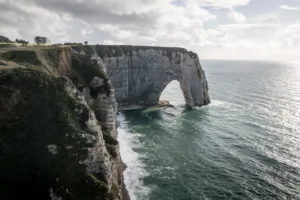
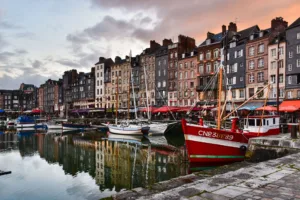
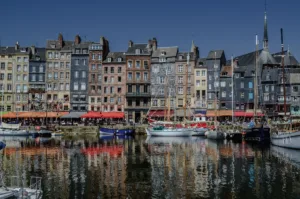
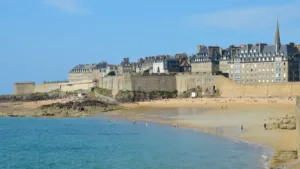
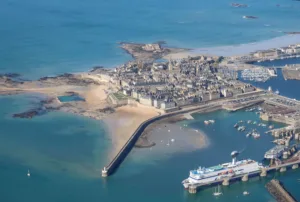
On the Normandy coast, the white chalk cliffs of Étretat are carved into arches and a pointed needle that Claude Monet painted again and again. The old harbour of Honfleur, ringed by tall slate-fronted houses, was a cradle of Impressionism. Further west, in Brittany, the walled corsair city of Saint-Malo stands above golden beaches and some of the highest tides in Europe.
Alsace
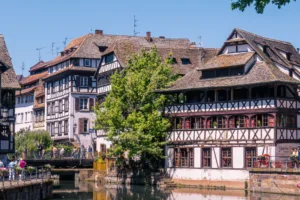
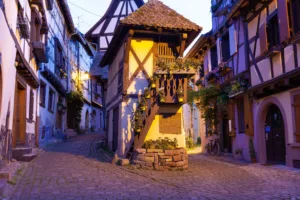
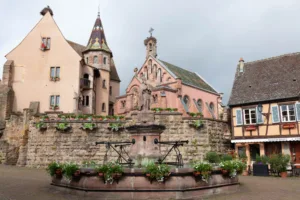
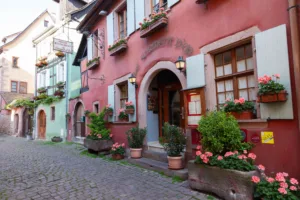
Alsace, on the border with Germany, has the most colourful towns in France, full of half-timbered houses and window boxes of red geraniums. In Strasbourg, the quarter of Petite France sits among the channels of the river Ill, and the cathedral spire rises over the rooftops. Colmar has its own Little Venice along the river Lauch.
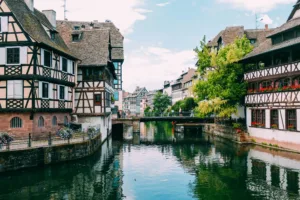
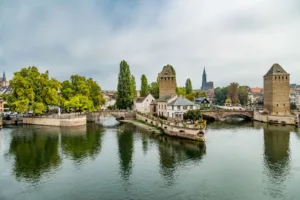
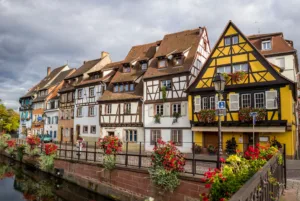
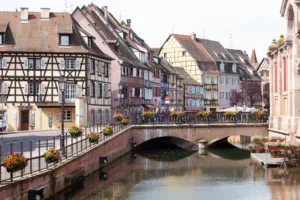
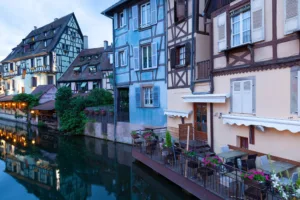
Eguisheim and Riquewihr
Along the Alsace wine route, villages like Eguisheim, built in rings around its castle, and walled Riquewihr look much as they did centuries ago. In December their streets and those of Colmar and Strasbourg fill with famous Christmas markets.
Provence
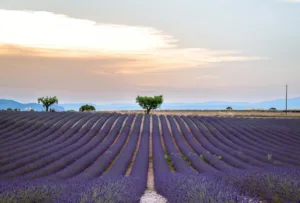
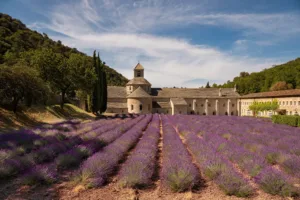
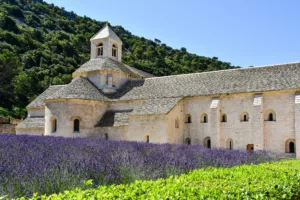
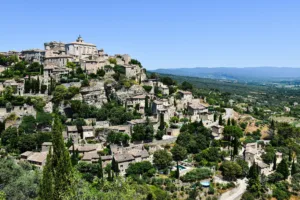
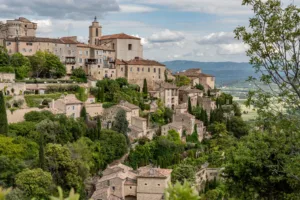
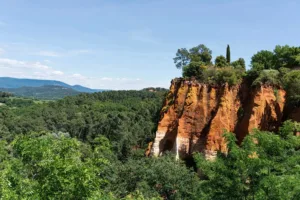
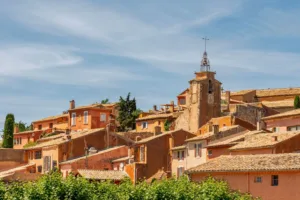
Provence means sunshine, markets, stone villages and, in early summer, lavender. The fields of the Valensole plateau and the rows in front of Sénanque Abbey are at their best from late June to mid-July. In the Luberon, the hilltop village of Gordes looks out over the plain, and Roussillon glows in every shade of ochre.

The Verdon Gorge
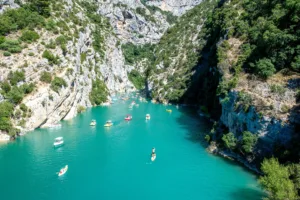
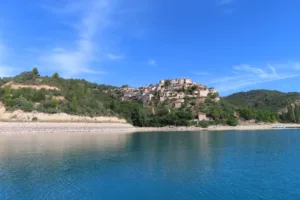
The Verdon Gorge, one of the deepest canyons in Europe, cuts through white limestone and opens into the Lake of Sainte-Croix. Rent a pedal boat or a kayak at its mouth, or drive the roads along the rim for views down into the turquoise river.
The Pont du Gard and Avignon
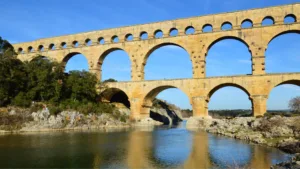
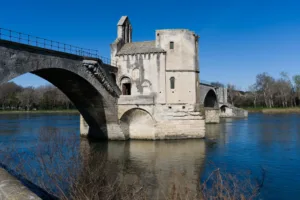
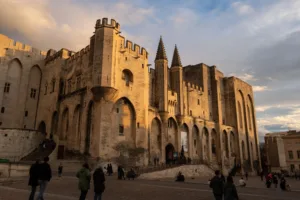
The Pont du Gard, a Roman aqueduct bridge nearly fifty metres high, carried water to Nîmes almost two thousand years ago. Nearby Avignon, the city of the popes in the fourteenth century, has the huge Gothic Palace of the Popes and the broken bridge of the famous song.
Marseille
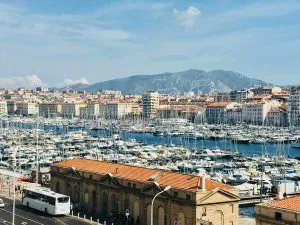
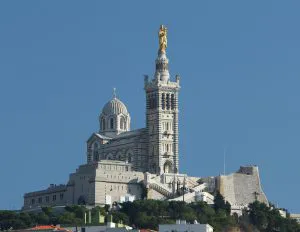
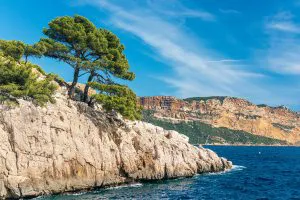
Marseille, founded by Greek sailors around 600 BC, is the oldest city in France. The basilica of Notre-Dame de la Garde watches over its Old Port, and the white cliffs and coves of the Calanques begin just outside the city.
The French Riviera
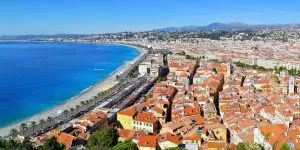
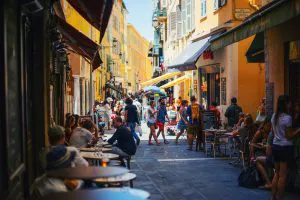
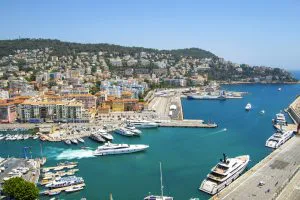
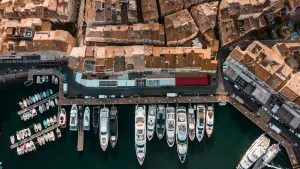
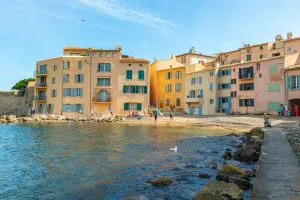
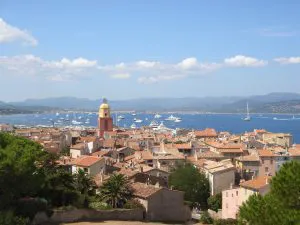
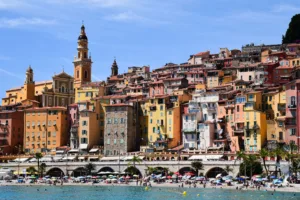
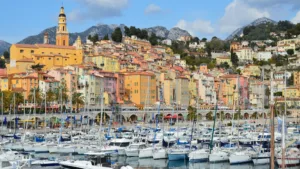
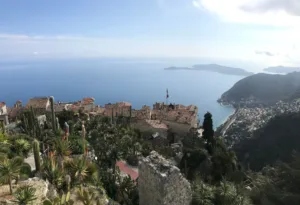
The Côte d’Azur curves from Saint-Tropez to the Italian border. Nice spreads along the Bay of Angels, Saint-Tropez was a fishing village before painters and film stars made it famous, and the perched village of Èze looks down on the sea from four hundred metres up. Menton, the last town before Italy, is known for its lemons and its colourful old town.
The French Alps
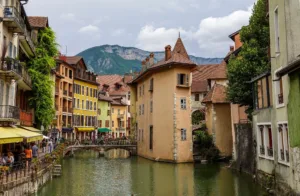
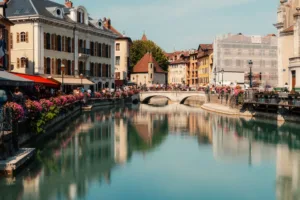
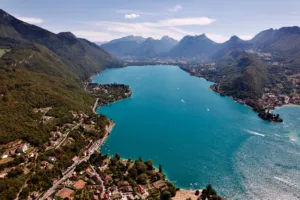
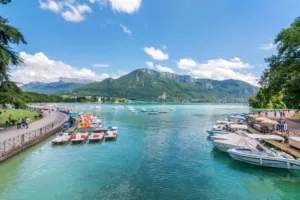
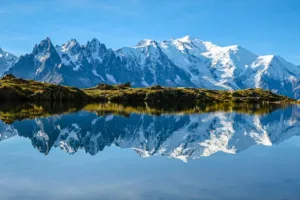
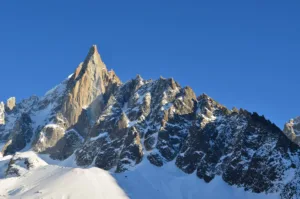
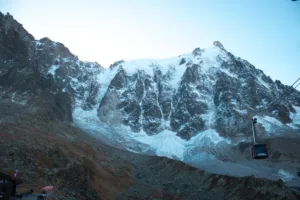
Annecy, often called the Venice of the Alps, has canals, flowers and one of the cleanest lakes in Europe. Chamonix lies at the foot of Mont Blanc, the highest mountain in Western Europe, and cable cars climb from the town to over 3,800 metres.
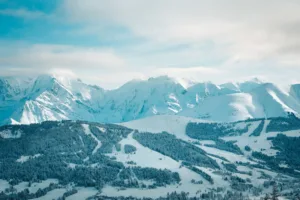
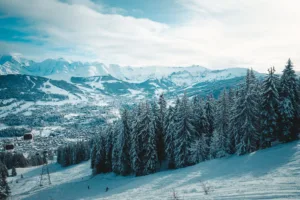
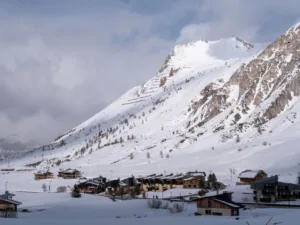
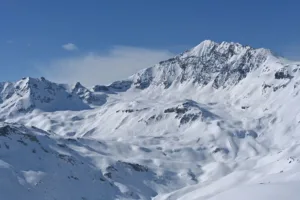
Ski resorts: Megève, Tignes and Courchevel
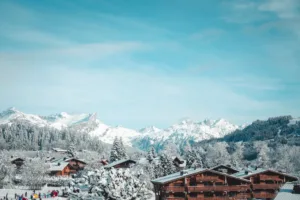
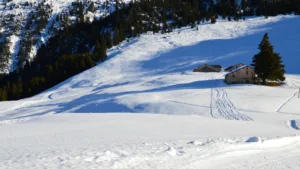
In winter the French Alps have some of the largest ski areas in the world. Megève is an elegant old village with views of Mont Blanc, Tignes sits high above 2,000 metres near the Vanoise National Park, and Courchevel is part of the Three Valleys, the largest linked ski area in the world.
Lyon
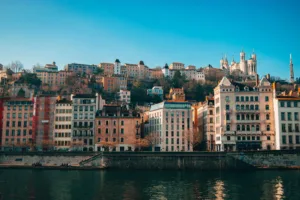
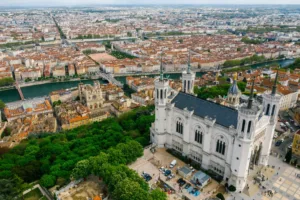
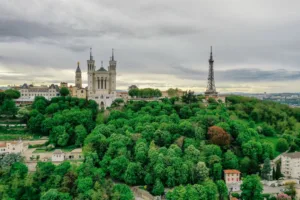
Lyon, at the meeting of the Rhône and the Saône, was the capital of Roman Gaul and is today known as a capital of French food. Climb Fourvière Hill to the basilica for a view over the whole city, then explore the Renaissance lanes and hidden traboules of the old town below.
The south-west
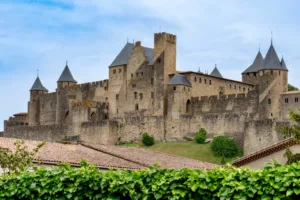
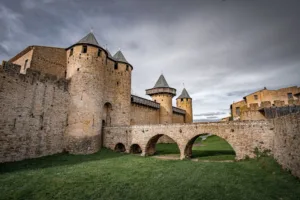
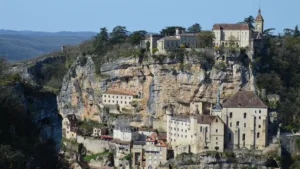
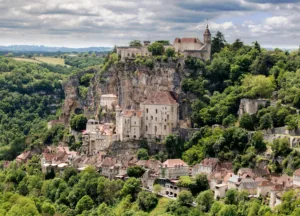
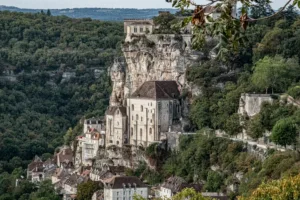
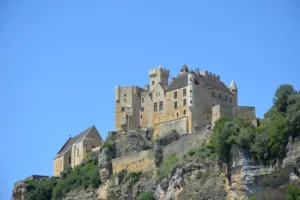
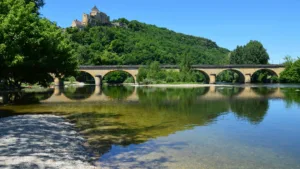
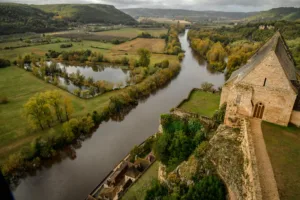
Carcassonne, with its double ring of walls and more than fifty towers, is one of the largest walled medieval towns in Europe. North of it, Rocamadour clings to a cliff above a canyon, and along the Dordogne river, castles such as Beynac and Castelnaud face each other across the valley.
Bordeaux, the Dune du Pilat and Biarritz
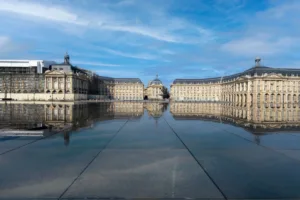
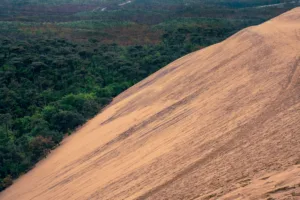
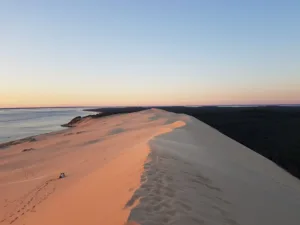
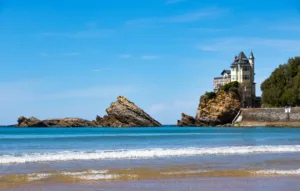
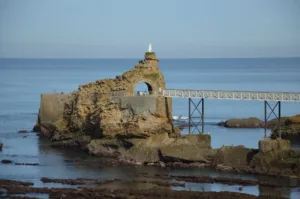
Bordeaux, the wine capital, mirrors its elegant Place de la Bourse in a huge water mirror. On the Atlantic coast nearby, the Dune du Pilat is the tallest sand dune in Europe, and further south Biarritz, once the favourite resort of the Empress Eugénie, is now a capital of surfing.
Corsica
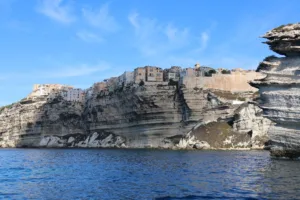
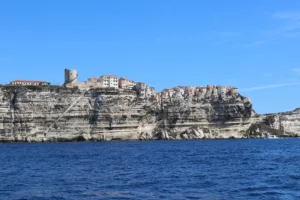
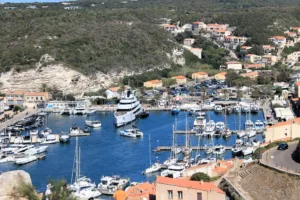
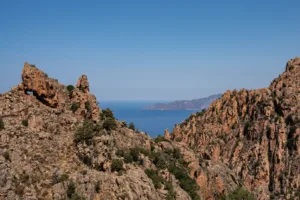
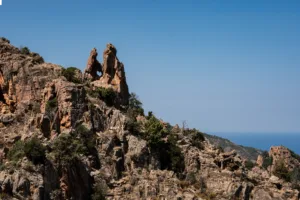
Corsica, the Island of Beauty, has mountains, wild beaches and clear sea. In the far south, the old town of Bonifacio stands on the very edge of white limestone cliffs, and on the west coast the red granite of the Calanques de Piana rises straight out of the sea.
Best time to visit France and tips
- May, June and September have mild weather and fewer crowds than July and August, when the French themselves go on holiday.
- Lavender in Provence blooms from late June to mid-July, and the harvest starts soon after.
- The ski season in the Alps runs from about December to April; in summer the same mountains are perfect for hiking.
- Book tickets for Versailles, the Eiffel Tower and the Louvre online in advance, and check the tide tables before visiting Mont-Saint-Michel or Saint-Malo.
- Many museums close one day a week, often Monday or Tuesday, and small shops may close for lunch outside big cities.
Questions people often ask
What are the best places to visit in France besides Paris?
Mont-Saint-Michel, Versailles, the castles of the Loire Valley, Provence with its lavender and hilltop villages, the French Riviera from Nice to Menton, the canals and Christmas markets of Strasbourg and Colmar, Annecy and Chamonix in the Alps, and Carcassonne in the south-west are the most popular. Lyon, Bordeaux and Corsica are also well worth the trip.
What to see in France in 7 to 10 days?
A classic first trip combines three or four days in Paris, with a day at Versailles, a day or two in Normandy for Mont-Saint-Michel and Étretat, and a day in the Loire Valley for Chambord and Chenonceau. With ten days, take the fast train south to Provence and Avignon, or end the trip on the Riviera in Nice.
What are the most beautiful villages in France?
Some of the best known are Gordes and Roussillon in Provence, Èze on the Riviera, Eguisheim and Riquewihr in Alsace, Rocamadour and Beynac in the south-west, and Honfleur in Normandy. Many of them belong to the association of the most beautiful villages of France, which lists more than 170 villages.
What are the most beautiful places in the south of France?
In the south, the highlights are the lavender fields and villages of Provence, the Verdon Gorge, the Pont du Gard and Avignon, the coast from Marseille to Nice, Saint-Tropez and Menton, Carcassonne, and the white cliffs of Bonifacio and the red rocks of Piana in Corsica.
When does lavender bloom in Provence?
Usually from the second half of June to mid-July, with the peak in early July. The fields on the Valensole plateau are often the first to bloom, and harvesting begins in mid-July, so after that many fields are already cut.
When is the best time to visit France?
Late spring and early autumn, from May to June and in September, are the best for sightseeing, with warm days and fewer crowds. July and August are best for beaches and lavender but busy, and winter is the season for skiing in the Alps and Christmas markets in Alsace.
See France in puzzles
From the arches of Étretat to the red rocks of Corsica, every place in this guide can be put together piece by piece. You will find all of them on our France puzzles page.